Buy bvws.eu ?
We are moving the project
bvws.eu .
Are you interested in purchasing the domain
bvws.eu ?
domain@kv-gmbh.de · 0541-91531010
Buy bvws.eu ?
What is the difference between Present Perfect and Present Perfect Progressive?
The Present Perfect tense is used to describe an action that happened at an unspecified time in the past, with a focus on the result or completion of the action. For example, "I have finished my homework." On the other hand, the Present Perfect Progressive tense is used to describe an action that started in the past and is still ongoing or has just been completed. For example, "I have been studying for two hours." The main difference is that the Present Perfect focuses on the result of the action, while the Present Perfect Progressive focuses on the duration or continuity of the action. **
Which tense is used: Present Perfect Simple or Present Perfect Progressive?
The Present Perfect Simple tense is used to express an action that was completed at some point in the past and has a connection to the present. It is formed with the auxiliary verb "have/has" and the past participle of the main verb. On the other hand, the Present Perfect Progressive tense is used to emphasize the duration or ongoing nature of an action that started in the past and continues into the present. It is formed with the auxiliary verb "have/has been" and the present participle of the main verb. **

Similar search terms for Zondervan-Present-Over-Perfect
Top-Angebote
Products related to Zondervan-Present-Over-Perfect:
-
C & F Enterprises Inc Green Christmas Present Stocking , GreenHoliday gifts will look so extravagant nestled inside of the Christmas Present Stocking. This lined, velveteen/cotton stocking features three presents with decorative trim, along with rope bows and bell accents. The Green stocking has a green body...49,99 $*Shipping: 13,95 $Secure redirect to the provider
-
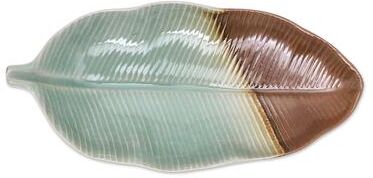
Novica Handmade Nature Is Present Celadon Ceramic Platter (Thailand)Finished with a beautifully crackled celadon glaze in light green and brown, a majestic leaf adds a touch of nature to your kitchen or dining room. Thailand's Penpan presents this platter, which is handcrafted of ceramic.119,98 $*Shipping: 0,00 $Secure redirect to the provider
-
Addison Rugs Machine Washable Indoor/ Outdoor Christmas Present Chantille RugPresents and stars run down the center of this rug, offering a fun and cheerful holiday pattern. The vibrant gifts bring festive joy, while the stars add a whimsical touch to your décor.538,04 $*Shipping: 0,00 $Secure redirect to the provider
-
IH Casa Decor LED Polyresin Highland Cow Holding Present FigurineAdd rustic charm and a touch of countryside elegance with this LED polyresin highland cow figurine holding a present. Finished in a warm brown, the shaggy highland cow captures the essence of rural life with a festive twist.32,49 $*Shipping: 0,00 $Secure redirect to the provider



-
Is the Present Perfect and the Present Perfect Simple the same thing?
Yes, the Present Perfect and the Present Perfect Simple are the same thing. The Present Perfect is a tense used to describe actions that have been completed at some point in the past but are still relevant to the present. It is formed by using the auxiliary verb "have" or "has" followed by the past participle of the main verb. **
-
What is the present perfect passive?
The present perfect passive is a verb form that indicates an action that has been completed in the past, but the focus is on the result or the consequences of the action in the present. It is formed by using the auxiliary verb "have" or "has" in the present perfect tense, followed by the past participle of the main verb, and the passive voice structure. For example, "The report has been written by the team" is a sentence in the present perfect passive form. **
-
Is the Present Perfect the same as the Present Perfect Simple or is there a difference?
The Present Perfect and Present Perfect Simple are often used interchangeably as they both refer to actions that happened at an unspecified time before now. However, some grammarians make a distinction between the two, with the Present Perfect Simple emphasizing the completion of an action and the Present Perfect focusing on the relevance of the action to the present moment. In practice, the difference is subtle and may vary depending on the context in which the tenses are used. **
-
What is the present (present tense), 1st past (simple past), 2nd past (present perfect), past perfect (pluperfect), and future (future tense)?
Present: I walk to school every day. 1st Past (Simple Past): Yesterday, I walked to school. 2nd Past (Present Perfect): I have walked to school many times. Past Perfect (Pluperfect): By the time I arrived, I had already walked to school. Future: Tomorrow, I will walk to school again. **

What is the difference between present tense and present perfect tense?
The present tense is used to describe actions that are happening right now or are regularly occurring. For example, "I eat breakfast every morning." On the other hand, the present perfect tense is used to describe actions that have been completed at some point in the past, but the exact time is not specified. For example, "I have eaten breakfast already." In this case, the action of eating breakfast has been completed, but the specific time is not mentioned. **
How do you form the Present Perfect?
The Present Perfect is formed by using the auxiliary verb "have" or "has" followed by the past participle of the main verb. For example, "I have eaten," "She has studied," or "They have traveled." This tense is used to indicate actions that were completed at some point in the past but have relevance to the present moment. **
Top-Angebote
Products related to Zondervan-Present-Over-Perfect:
-
Zondervan Present Over Perfect by Shauna Niequist - Foreword by Brené Brown - Paperback - NYT Bestselling Essays on Slower, Soulful LivingDiscover a more soulful way to live with Present Over Perfect, a heartfelt collection of essays by Shauna Niequist. This New York Times bestseller explores her personal journey from exhaustion and isolation toward connection, grace, and presence. Featuring a foreword by Brené Brown, it has resonated with over a million readers seeking a more authentic life. In this book, Niequist shares her honest and sometimes messy story of choosing a different path: trading hustle for grace, comparison for connection, and constant performance for genuine presence. A paperback edition of this inspiring book is now available, published by Zondervan and with an ISBN of 9780310346715.2,99 £*Shipping: 2,99 £Secure redirect to the provider
-
C & F Enterprises Inc Green Christmas Present Stocking , GreenHoliday gifts will look so extravagant nestled inside of the Christmas Present Stocking. This lined, velveteen/cotton stocking features three presents with decorative trim, along with rope bows and bell accents. The Green stocking has a green body...49,99 $*Shipping: 13,95 $Secure redirect to the provider
-
Novica Handmade Nature Is Present Celadon Ceramic Platter (Thailand)Finished with a beautifully crackled celadon glaze in light green and brown, a majestic leaf adds a touch of nature to your kitchen or dining room. Thailand's Penpan presents this platter, which is handcrafted of ceramic.119,98 $*Shipping: 0,00 $Secure redirect to the provider
-
What is the difference between Present Perfect and Present Perfect Progressive?
The Present Perfect tense is used to describe an action that happened at an unspecified time in the past, with a focus on the result or completion of the action. For example, "I have finished my homework." On the other hand, the Present Perfect Progressive tense is used to describe an action that started in the past and is still ongoing or has just been completed. For example, "I have been studying for two hours." The main difference is that the Present Perfect focuses on the result of the action, while the Present Perfect Progressive focuses on the duration or continuity of the action. **
-
Which tense is used: Present Perfect Simple or Present Perfect Progressive?
The Present Perfect Simple tense is used to express an action that was completed at some point in the past and has a connection to the present. It is formed with the auxiliary verb "have/has" and the past participle of the main verb. On the other hand, the Present Perfect Progressive tense is used to emphasize the duration or ongoing nature of an action that started in the past and continues into the present. It is formed with the auxiliary verb "have/has been" and the present participle of the main verb. **
-
Is the Present Perfect and the Present Perfect Simple the same thing?
Yes, the Present Perfect and the Present Perfect Simple are the same thing. The Present Perfect is a tense used to describe actions that have been completed at some point in the past but are still relevant to the present. It is formed by using the auxiliary verb "have" or "has" followed by the past participle of the main verb. **
-
What is the present perfect passive?
The present perfect passive is a verb form that indicates an action that has been completed in the past, but the focus is on the result or the consequences of the action in the present. It is formed by using the auxiliary verb "have" or "has" in the present perfect tense, followed by the past participle of the main verb, and the passive voice structure. For example, "The report has been written by the team" is a sentence in the present perfect passive form. **
Similar search terms for Zondervan-Present-Over-Perfect
-
Addison Rugs Machine Washable Indoor/ Outdoor Christmas Present Chantille RugPresents and stars run down the center of this rug, offering a fun and cheerful holiday pattern. The vibrant gifts bring festive joy, while the stars add a whimsical touch to your décor.538,04 $*Shipping: 0,00 $Secure redirect to the provider
-
IH Casa Decor LED Polyresin Highland Cow Holding Present FigurineAdd rustic charm and a touch of countryside elegance with this LED polyresin highland cow figurine holding a present. Finished in a warm brown, the shaggy highland cow captures the essence of rural life with a festive twist.32,49 $*Shipping: 0,00 $Secure redirect to the provider
-
L'Oréal Paris Age Perfect Cellular Renewal Midnight Serum 30mLA facial serum for wrinkles and signs of ageing. This serum protects the skin against free radicals for intense regeneration during the night when the skin is most receptive to being repaired. Reduces wrinkles, firms and brightens the skin. Apply 3-4 drops on clean, dry skin, face and neck, every night before cream.24,27 £*Shipping: 5,34 £Secure redirect to the provider
-
Addison Rugs Machine Washable Indoor/ Outdoor Christmas Present Chantille RugPresents and stars run down the center of this rug, offering a fun and cheerful holiday pattern. The vibrant gifts bring festive joy, while the stars add a whimsical touch to your décor.632,99 $*Shipping: 0,00 $Secure redirect to the provider
-
Is the Present Perfect the same as the Present Perfect Simple or is there a difference?
The Present Perfect and Present Perfect Simple are often used interchangeably as they both refer to actions that happened at an unspecified time before now. However, some grammarians make a distinction between the two, with the Present Perfect Simple emphasizing the completion of an action and the Present Perfect focusing on the relevance of the action to the present moment. In practice, the difference is subtle and may vary depending on the context in which the tenses are used. **
-
What is the present (present tense), 1st past (simple past), 2nd past (present perfect), past perfect (pluperfect), and future (future tense)?
Present: I walk to school every day. 1st Past (Simple Past): Yesterday, I walked to school. 2nd Past (Present Perfect): I have walked to school many times. Past Perfect (Pluperfect): By the time I arrived, I had already walked to school. Future: Tomorrow, I will walk to school again. **
-
What is the difference between present tense and present perfect tense?
The present tense is used to describe actions that are happening right now or are regularly occurring. For example, "I eat breakfast every morning." On the other hand, the present perfect tense is used to describe actions that have been completed at some point in the past, but the exact time is not specified. For example, "I have eaten breakfast already." In this case, the action of eating breakfast has been completed, but the specific time is not mentioned. **
-
How do you form the Present Perfect?
The Present Perfect is formed by using the auxiliary verb "have" or "has" followed by the past participle of the main verb. For example, "I have eaten," "She has studied," or "They have traveled." This tense is used to indicate actions that were completed at some point in the past but have relevance to the present moment. **
* All prices are inclusive of VAT and, if applicable, plus shipping costs. The offer information is based on the details provided by the respective shop and is updated through automated processes. Real-time updates do not occur, so deviations can occur in individual cases. ** Note: Parts of this content were created by AI.