Buy bvws.eu ?
We are moving the project
bvws.eu .
Are you interested in purchasing the domain
bvws.eu ?
domain@kv-gmbh.de · 0541-91531010
Buy bvws.eu ?
What are the terms for the coding strand, the sense strand, the antisense strand, and the anticoding strand?
The coding strand is also known as the sense strand because it has the same sequence as the mRNA that is translated into protein. The antisense strand is the complementary strand to the coding strand and is also known as the anticoding strand because it is not directly used as a template for protein synthesis. In summary, the coding and sense strands are the same, while the antisense and anticoding strands are complementary to the coding/sense strand. **
How is saffron planted?
Saffron is planted by first preparing the soil to be well-drained and rich in organic matter. The saffron corms (bulbs) are then planted in the soil in late summer or early autumn, typically in rows or clusters. The corms should be planted about 3-5 inches deep and spaced 4-6 inches apart. Once planted, the saffron requires little maintenance and will begin to sprout in the following weeks. **

Similar search terms for Naturcid-Saffron-Strand-Eco
Top-Angebote
Products related to Naturcid-Saffron-Strand-Eco:
-
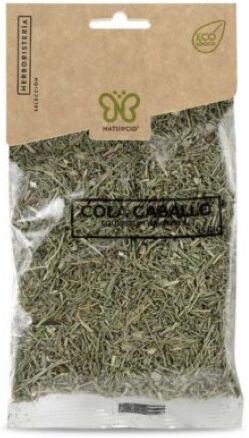
Naturcid Eco Infusion Horsetail 35 grNutrition and Supplements Natural Extracts Naturcid Eco Infusion Horsetail 35 gr Infusion (boil for a few moments), 1 tablespoon of plant per cup of water. Let stand a few minutes, strain and drink 3-4 times a day, accompanied by plenty of fluids. External use: in the form of compresses or washes. In case of hypertension, severe heart disease and during pregnancy and lactation, consult your doctor. allergen free2,25 £*Shipping: 3,99 £Secure redirect to the provider
-
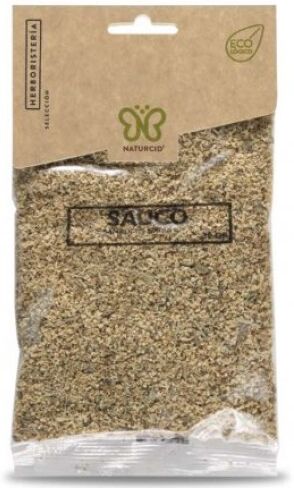
Naturcid Elderflower Eco Infusion 40 grNutrition and Supplements Natural Extracts Naturcid Elderflower Eco Infusion 40 gr Infusion (boil for a few moments) 1 tablespoon of plant per cup of water. Let stand a few minutes, strain and drink hot, 3 times a day. allergen free2,42 £*Shipping: 3,99 £Secure redirect to the provider
-
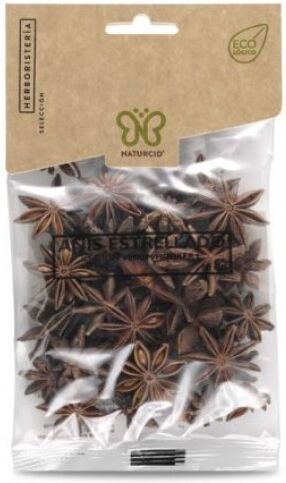
Naturcid Eco Star Anise 50 grNutrition and Supplements Natural Extracts Naturcid Eco Star Anise 50 gr Add an anise star (approx. 1 g) to a cup of boiling water (200 ml.). Remove from heat, cover, let stand 5 minutes and filter. Take the following quantities of this infusion after the main meals. Adults: 1 cup of infusion. Children from 6 to 12 years old: cup of infusion. Children from 2 to 6 years old: 4 tablespoons of infusion, either directly or dissolved in a little water. Infants and children under 2 years: 1 tablespoon of the infusion, either directly or dissolved in water, in a glass or bottle. Important: in infants or children under 2 years of age, never exceed the recommended amounts. One tablespoon equals approximately 10ml. The infusion must be consumed immediately, and it is not convenient to save the remaining amount for later as it loses its properties and can spoil. allergen free4,41 £*Shipping: 3,99 £Secure redirect to the provider
-
Naturcid Eco Dandelion Infusion 35 grNutrition and Supplements Natural Extracts Naturcid Eco Dandelion Infusion 35 gr Infusion (boil for a few moments) 1 tablespoon of plant per cup of water. Let stand a few minutes, strain and drink 3 cups a day. Avoid during pregnancy and lactation. allergen free2,33 £*Shipping: 3,99 £Secure redirect to the provider

-
Which strand is the leading strand in DNA replication?
The leading strand in DNA replication is the strand that is synthesized continuously in the 5' to 3' direction. This strand is able to be synthesized continuously because the DNA polymerase can add nucleotides in the direction of the replication fork. The other strand, known as the lagging strand, is synthesized discontinuously in short fragments called Okazaki fragments. **
-
What is the mRNA strand for the non-coding strand?
The mRNA strand for the non-coding strand is complementary to the non-coding strand of DNA. This means that it is created by using the non-coding strand as a template and matching complementary RNA nucleotides to the DNA nucleotides. The resulting mRNA strand will have the same sequence as the coding (sense) strand of DNA, except with thymine (T) replaced by uracil (U) in the mRNA. This mRNA strand will then be used as a template for protein synthesis during translation. **
-
What does a hair extension look like strand by strand?
A hair extension strand is typically a small section of hair, usually around 1-2 inches in length. It is often attached to a small clip, tape, or bond at one end, and the other end is left loose to blend in with the natural hair. The strand may be made of synthetic or natural hair, and it is designed to seamlessly blend in with the wearer's own hair. Each strand is usually very thin and lightweight, allowing for a natural look and feel when applied to the hair. **
-
What is the code strand of the code generation strand?
The code strand of the code generation strand is responsible for translating the intermediate representation of the program into executable code. It involves generating machine code or bytecode that can be directly executed by the target platform. This process typically involves optimizations to improve the efficiency and performance of the generated code. The code strand plays a crucial role in the compilation process, as it is the final step before the program can be run on the target system. **


Is the saffron trade profitable?
The saffron trade can be profitable for those who are able to produce high-quality saffron and sell it at a competitive price. Saffron is one of the most expensive spices in the world, and its high value can make it a profitable crop for farmers and traders. However, the profitability of the saffron trade can be influenced by factors such as the cost of production, market demand, and competition from other saffron-producing regions. Overall, while the saffron trade has the potential to be profitable, success in this industry depends on various factors. **
What are saffron crocus leaves?
Saffron crocus leaves are the long, narrow green leaves that grow from the base of the saffron crocus plant. These leaves are an important part of the plant's structure and play a role in the process of photosynthesis, which is essential for the plant's growth and development. While the saffron crocus plant is best known for its vibrant red stigmas, which are used to produce saffron spice, the leaves also have value and can be used in cooking and herbal remedies. **
Top-Angebote
Products related to Naturcid-Saffron-Strand-Eco:
-
Naturcid Saffron Strand Eco BC 1 grNutrition and Supplements Sauces and Condiments Naturcid Saffron Strand Eco BC 1 gr Culinary: Coloring, flavoring and flavoring. Medicinal: We can highlight its tonic character (stimulating the appetite), it favors digestion, fights cough and bronchitis, favors the expulsion of accumulated gases, menstruation, fortifies the heart and eliminates liver obstructions. How to use: Season to taste. If desired, lightly toast before use to enhance its flavor and aroma. Infusion (boil for a few moments) 4-5 strands alone or combined with other plants per day. Contraindicated in pregnancy. Additional information No allergens Does not contain genetically modified organisms (No GMO) or irradiated. BPA free container. Store at room temperature, in a cool, dry place protected from light.12,93 £*Shipping: 3,99 £Secure redirect to the provider
-
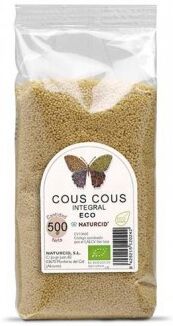
Naturcid Eco Wholemeal Couscous 500 grNutrition and Supplements Cereals, Pasta and Legumes Naturcid Eco Wholemeal Couscous 500 gr Whole organic couscous. High phosphorus content. Source of protein, fiber, thiamin (Vit. B1) and niacin (Vit. B3). High content exceeds 30% of NRV, source of exceeds 15% NRV Applications • Contributes to the normal functioning of the nervous system. • Helps reduce tiredness and fatigue. 70 grams per serving. Boil water or broth 2 times its volume, remove from heat and add the cous-cous, cover and let stand 5 minutes. Add a teaspoon of oil and with the help of a fork move until the grain is loose. Season to taste. It can be served hot with vegetables, meat, cheese, fish, legumes... or cold in salads. It contains gluten.3,05 £*Shipping: 3,99 £Secure redirect to the provider
-
Naturcid Eco Infusion Horsetail 35 grNutrition and Supplements Natural Extracts Naturcid Eco Infusion Horsetail 35 gr Infusion (boil for a few moments), 1 tablespoon of plant per cup of water. Let stand a few minutes, strain and drink 3-4 times a day, accompanied by plenty of fluids. External use: in the form of compresses or washes. In case of hypertension, severe heart disease and during pregnancy and lactation, consult your doctor. allergen free2,25 £*Shipping: 3,99 £Secure redirect to the provider
-
Naturcid Elderflower Eco Infusion 40 grNutrition and Supplements Natural Extracts Naturcid Elderflower Eco Infusion 40 gr Infusion (boil for a few moments) 1 tablespoon of plant per cup of water. Let stand a few minutes, strain and drink hot, 3 times a day. allergen free2,42 £*Shipping: 3,99 £Secure redirect to the provider
-
What are the terms for the coding strand, the sense strand, the antisense strand, and the anticoding strand?
The coding strand is also known as the sense strand because it has the same sequence as the mRNA that is translated into protein. The antisense strand is the complementary strand to the coding strand and is also known as the anticoding strand because it is not directly used as a template for protein synthesis. In summary, the coding and sense strands are the same, while the antisense and anticoding strands are complementary to the coding/sense strand. **
-
How is saffron planted?
Saffron is planted by first preparing the soil to be well-drained and rich in organic matter. The saffron corms (bulbs) are then planted in the soil in late summer or early autumn, typically in rows or clusters. The corms should be planted about 3-5 inches deep and spaced 4-6 inches apart. Once planted, the saffron requires little maintenance and will begin to sprout in the following weeks. **
-
Which strand is the leading strand in DNA replication?
The leading strand in DNA replication is the strand that is synthesized continuously in the 5' to 3' direction. This strand is able to be synthesized continuously because the DNA polymerase can add nucleotides in the direction of the replication fork. The other strand, known as the lagging strand, is synthesized discontinuously in short fragments called Okazaki fragments. **
-
What is the mRNA strand for the non-coding strand?
The mRNA strand for the non-coding strand is complementary to the non-coding strand of DNA. This means that it is created by using the non-coding strand as a template and matching complementary RNA nucleotides to the DNA nucleotides. The resulting mRNA strand will have the same sequence as the coding (sense) strand of DNA, except with thymine (T) replaced by uracil (U) in the mRNA. This mRNA strand will then be used as a template for protein synthesis during translation. **
Similar search terms for Naturcid-Saffron-Strand-Eco
-
Naturcid Eco Star Anise 50 grNutrition and Supplements Natural Extracts Naturcid Eco Star Anise 50 gr Add an anise star (approx. 1 g) to a cup of boiling water (200 ml.). Remove from heat, cover, let stand 5 minutes and filter. Take the following quantities of this infusion after the main meals. Adults: 1 cup of infusion. Children from 6 to 12 years old: cup of infusion. Children from 2 to 6 years old: 4 tablespoons of infusion, either directly or dissolved in a little water. Infants and children under 2 years: 1 tablespoon of the infusion, either directly or dissolved in water, in a glass or bottle. Important: in infants or children under 2 years of age, never exceed the recommended amounts. One tablespoon equals approximately 10ml. The infusion must be consumed immediately, and it is not convenient to save the remaining amount for later as it loses its properties and can spoil. allergen free4,41 £*Shipping: 3,99 £Secure redirect to the provider
-
Naturcid Eco Dandelion Infusion 35 grNutrition and Supplements Natural Extracts Naturcid Eco Dandelion Infusion 35 gr Infusion (boil for a few moments) 1 tablespoon of plant per cup of water. Let stand a few minutes, strain and drink 3 cups a day. Avoid during pregnancy and lactation. allergen free2,33 £*Shipping: 3,99 £Secure redirect to the provider
-
Naturcid Eco Infusion Gayaba 50 grNutrition and Supplements Natural Extracts Naturcid Eco Infusion Gayaba 50 gr Infusion (boil for a few moments) 1 tablespoon of plant per cup of water. Let stand a few minutes, strain and drink up to 3-4 times a day. Not recommended for children. In case of kidney disorder, consult your doctor. allergen free1,48 £*Shipping: 3,99 £Secure redirect to the provider
-
Naturcid Eco Infusion Rabogato 25 grNutrition and Supplements Natural Extracts Naturcid Eco Infusion Rabogato 25 gr Infusion (boil for a few moments) 1 tablespoon of plant per cup of water. Let stand a few minutes, strain and drink up to 3 times a day. allergen free1,74 £*Shipping: 3,99 £Secure redirect to the provider
-
What does a hair extension look like strand by strand?
A hair extension strand is typically a small section of hair, usually around 1-2 inches in length. It is often attached to a small clip, tape, or bond at one end, and the other end is left loose to blend in with the natural hair. The strand may be made of synthetic or natural hair, and it is designed to seamlessly blend in with the wearer's own hair. Each strand is usually very thin and lightweight, allowing for a natural look and feel when applied to the hair. **
-
What is the code strand of the code generation strand?
The code strand of the code generation strand is responsible for translating the intermediate representation of the program into executable code. It involves generating machine code or bytecode that can be directly executed by the target platform. This process typically involves optimizations to improve the efficiency and performance of the generated code. The code strand plays a crucial role in the compilation process, as it is the final step before the program can be run on the target system. **
-
Is the saffron trade profitable?
The saffron trade can be profitable for those who are able to produce high-quality saffron and sell it at a competitive price. Saffron is one of the most expensive spices in the world, and its high value can make it a profitable crop for farmers and traders. However, the profitability of the saffron trade can be influenced by factors such as the cost of production, market demand, and competition from other saffron-producing regions. Overall, while the saffron trade has the potential to be profitable, success in this industry depends on various factors. **
-
What are saffron crocus leaves?
Saffron crocus leaves are the long, narrow green leaves that grow from the base of the saffron crocus plant. These leaves are an important part of the plant's structure and play a role in the process of photosynthesis, which is essential for the plant's growth and development. While the saffron crocus plant is best known for its vibrant red stigmas, which are used to produce saffron spice, the leaves also have value and can be used in cooking and herbal remedies. **
* All prices are inclusive of VAT and, if applicable, plus shipping costs. The offer information is based on the details provided by the respective shop and is updated through automated processes. Real-time updates do not occur, so deviations can occur in individual cases. ** Note: Parts of this content were created by AI.