Buy bvws.eu ?
We are moving the project
bvws.eu .
Are you interested in purchasing the domain
bvws.eu ?
domain@kv-gmbh.de · 0541-91531010
Buy bvws.eu ?
What are B16 fuses?
B16 fuses are a type of electrical fuse that is designed to protect electrical circuits from overcurrent. The "B" in B16 refers to the physical size and shape of the fuse, while the "16" indicates the rated current capacity of the fuse, which in this case is 16 amperes. These fuses are commonly used in residential and commercial electrical systems to prevent damage to equipment and wiring caused by excessive current. When the current exceeds the rated capacity of the fuse, it will melt and interrupt the circuit, preventing further damage. **
Are the fuses defective?
Without more specific information, it is difficult to determine if the fuses are defective. It would be helpful to know if the fuses are blowing frequently, if there are any visible signs of damage, or if there are any other electrical issues occurring. It may be necessary to test the fuses with a multimeter to determine if they are functioning properly. If there are concerns about the fuses, it may be best to consult with a professional electrician to assess the situation. **
Similar search terms for Fuses
Top-Angebote
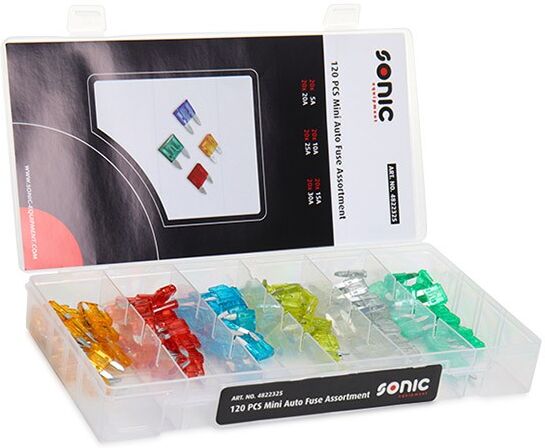
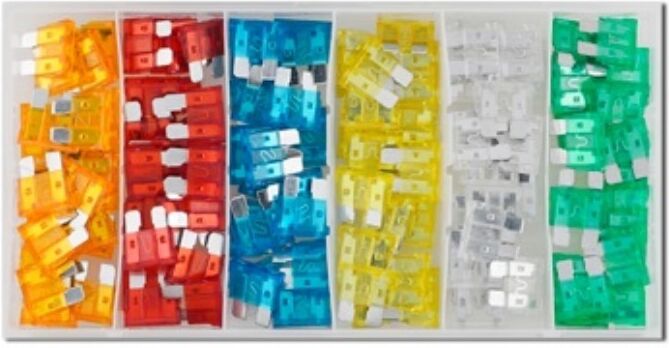
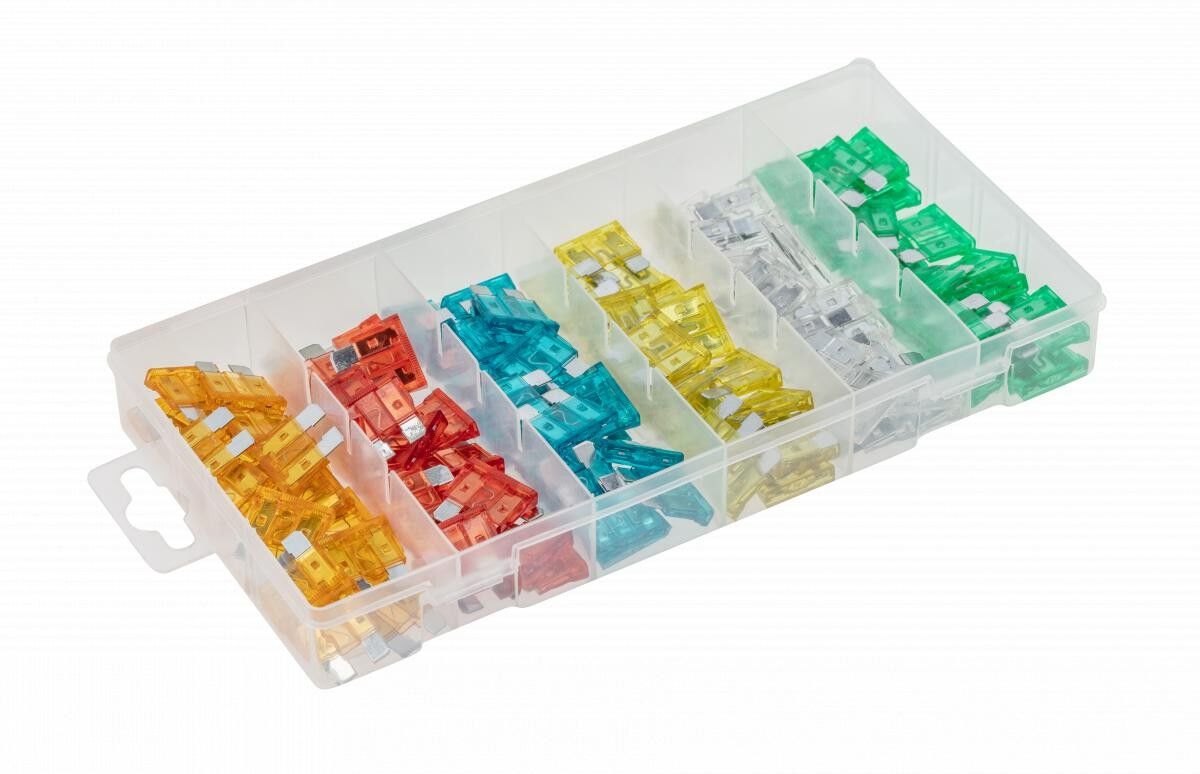
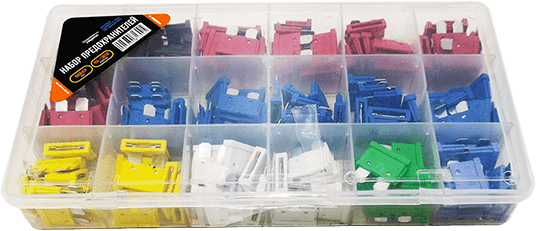
Products related to Fuses:

-
What are fine fuses?
Fine fuses are small, delicate devices used in electrical circuits to protect against overcurrent. They are designed to break the circuit when the current exceeds a certain threshold, preventing damage to the circuit or equipment. Fine fuses are commonly used in electronic devices, automotive applications, and other sensitive electrical systems where precise protection is required. **
-
Can you reinforce fuses?
No, fuses are designed to be a one-time use safety device. When a fuse blows, it indicates that there is an electrical overload or short circuit, and it needs to be replaced with a new fuse of the same rating. Attempting to reinforce or repair a blown fuse can be dangerous and may lead to electrical hazards or damage to the electrical system. It is important to always follow the manufacturer's instructions and replace fuses with the correct type and rating. **
-
What are these fuses for?
These fuses are used to protect electrical circuits from overloading or short-circuiting. When too much current flows through a circuit, the fuse will melt and break the circuit, preventing damage to the electrical system or potential fire hazards. Fuses are commonly found in electrical panels, power strips, and various electrical devices to ensure the safety of the electrical system. **
-
How do you change fuses?
To change a fuse, first, locate the fuse box in your home or vehicle. Turn off the power to the circuit that the fuse controls. Use a fuse puller or a pair of needle-nose pliers to carefully remove the blown fuse. Replace it with a new fuse of the same amperage rating. Finally, turn the power back on and test the circuit to ensure the new fuse is working properly. Always follow the manufacturer's instructions and safety precautions when changing fuses. **

How do old fuses work?
Old fuses work by interrupting the flow of electricity when a circuit is overloaded. They consist of a metal wire or strip that melts when the current exceeds a safe level, breaking the circuit and preventing damage to the electrical system. This design protects the wiring and appliances from overheating and potential fire hazards. Once the fuse is blown, it needs to be replaced with a new one to restore the circuit's functionality. **
How can I reorder fuses?
To reorder fuses, you can start by identifying the specific type and size of fuse you need. Then, you can visit a hardware store or electrical supply store to purchase the fuses. Alternatively, you can also order fuses online from various retailers. Make sure to double-check the specifications of the fuses to ensure they are compatible with your electrical system before placing an order. **
Top-Angebote
Products related to Fuses:
-
What are B16 fuses?
B16 fuses are a type of electrical fuse that is designed to protect electrical circuits from overcurrent. The "B" in B16 refers to the physical size and shape of the fuse, while the "16" indicates the rated current capacity of the fuse, which in this case is 16 amperes. These fuses are commonly used in residential and commercial electrical systems to prevent damage to equipment and wiring caused by excessive current. When the current exceeds the rated capacity of the fuse, it will melt and interrupt the circuit, preventing further damage. **
-
Are the fuses defective?
Without more specific information, it is difficult to determine if the fuses are defective. It would be helpful to know if the fuses are blowing frequently, if there are any visible signs of damage, or if there are any other electrical issues occurring. It may be necessary to test the fuses with a multimeter to determine if they are functioning properly. If there are concerns about the fuses, it may be best to consult with a professional electrician to assess the situation. **
-
What are fine fuses?
Fine fuses are small, delicate devices used in electrical circuits to protect against overcurrent. They are designed to break the circuit when the current exceeds a certain threshold, preventing damage to the circuit or equipment. Fine fuses are commonly used in electronic devices, automotive applications, and other sensitive electrical systems where precise protection is required. **
-
Can you reinforce fuses?
No, fuses are designed to be a one-time use safety device. When a fuse blows, it indicates that there is an electrical overload or short circuit, and it needs to be replaced with a new fuse of the same rating. Attempting to reinforce or repair a blown fuse can be dangerous and may lead to electrical hazards or damage to the electrical system. It is important to always follow the manufacturer's instructions and replace fuses with the correct type and rating. **
Similar search terms for Fuses
-
Good Directions "20"" Tranquil Harmony Bird Bath Basin"Introduce tranquility to your avian companions with this exquisite copper basin. Crafted with the utmost care, the inner surface of this birdbath features delicate hand-punched, beaded embellishments, gracefully adorning the dark brass, rubbed...107,89 $*Shipping: 0,00 $Secure redirect to the provider
-
What are these fuses for?
These fuses are used to protect electrical circuits from overloading or short-circuiting. When too much current flows through a circuit, the fuse will melt and break the circuit, preventing damage to the electrical system or potential fire hazards. Fuses are commonly found in electrical panels, power strips, and various electrical devices to ensure the safety of the electrical system. **
-
How do you change fuses?
To change a fuse, first, locate the fuse box in your home or vehicle. Turn off the power to the circuit that the fuse controls. Use a fuse puller or a pair of needle-nose pliers to carefully remove the blown fuse. Replace it with a new fuse of the same amperage rating. Finally, turn the power back on and test the circuit to ensure the new fuse is working properly. Always follow the manufacturer's instructions and safety precautions when changing fuses. **
-
How do old fuses work?
Old fuses work by interrupting the flow of electricity when a circuit is overloaded. They consist of a metal wire or strip that melts when the current exceeds a safe level, breaking the circuit and preventing damage to the electrical system. This design protects the wiring and appliances from overheating and potential fire hazards. Once the fuse is blown, it needs to be replaced with a new one to restore the circuit's functionality. **
-
How can I reorder fuses?
To reorder fuses, you can start by identifying the specific type and size of fuse you need. Then, you can visit a hardware store or electrical supply store to purchase the fuses. Alternatively, you can also order fuses online from various retailers. Make sure to double-check the specifications of the fuses to ensure they are compatible with your electrical system before placing an order. **
* All prices are inclusive of VAT and, if applicable, plus shipping costs. The offer information is based on the details provided by the respective shop and is updated through automated processes. Real-time updates do not occur, so deviations can occur in individual cases. ** Note: Parts of this content were created by AI.