Buy bvws.eu ?
We are moving the project
bvws.eu .
Are you interested in purchasing the domain
bvws.eu ?
domain@kv-gmbh.de · 0541-91531010
Buy bvws.eu ?
Why is it souhaite-t-il and not souhaite-s-il?
In French, the pronoun "il" (he) is combined with the verb "souhaiter" (to wish) to form the phrase "souhaite-t-il" because of the rule of verb inversion in interrogative sentences. When forming a question in French, the subject pronoun and the verb are inverted, so "souhaite-t-il" follows this rule. The "t" is added to create a liaison between the verb and the pronoun, making the pronunciation smoother. **
When do you use il faut and il ne faut pas?
"Il faut" is used to express what is necessary or required, while "il ne faut pas" is used to express what is not allowed or should be avoided. For example, you would use "il faut" to say "il faut étudier pour réussir" (it is necessary to study to succeed), and "il ne faut pas" to say "il ne faut pas fumer dans ce lieu" (smoking is not allowed in this place). These expressions are used to give advice, make recommendations, or set rules. **
Similar search terms for Dionisio-Fabrizio-Syrah-Il
Top-Angebote
Products related to Dionisio-Fabrizio-Syrah-Il:
-
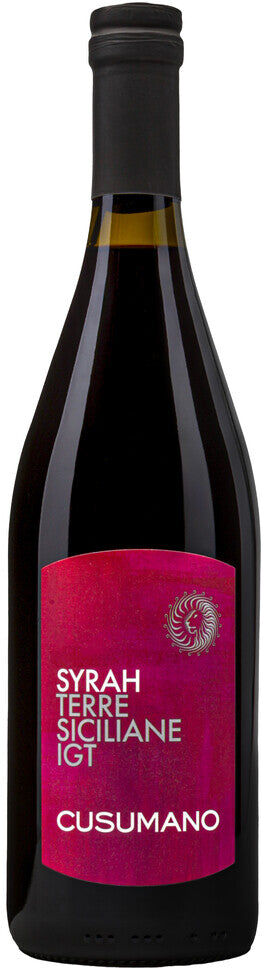
Syrah Cusumano 2024Questo vino Syrah è un rosso siciliano aggraziato, equilibrato e dal sorso semplice. Una semplicità però mai banale, che passa anzi attraverso la grande e difficile opera di valorizzazione del terroir siciliano fatta da Cusumano, realtà produttiva attenta a realizzare etichette che rendano onore e merito a quei vitigni che, tradizionalmente, trovano in Sicilia splendide capacità espressive. Proprio come questo Syrah, che scorre al palato con morbidezza, tracciando con eleganza un profilo dominato dall’equilibrio delle sensazioni. Il rosso Syrah nasce dalle uve dell’omonimo vitigno, che in Sicilia trova uno dei propri terroir d’elezione. La cantina Cusumano lo coltiva all’interno della Tenuta Presti e Pagni, situata sulle colline di Monreale, in vigneti a 250 metri sul livello del mare, in cui le piante hanno una media di circa 10 anni d’età. Il terroir di queste parcelle è caratterizzato dalla massiccia presenza di argilla. Le uve, accuratamente selezionate durante la fase della vendemmia, vengono diraspate e macerate a freddo per due giorni, alla temperatura di 5 gradi. Poi si passa alla fermentazione alcolica in acciaio, dove si svolge anche la malolattica. Infine l’affinamento si protrae per 5 mesi, in acciaio. Questo Syrah realizzato dalla cantina Cusumano si presenta, all’esame visivo, con un bel colore rosso rubino, molto intenso, che nell’unghia svela sfumature più leggere, che richiamano il porpora. Il ventaglio di profumi che avvolge il naso risulta costituito principalmente dalle note fruttate tipiche del varietale, a cui si alternano aromi più speziati. In bocca è di buon corpo, caloroso, morbido e armonico, con un sorso che presenta una piacevole progressione fruttata, in equilibrio con il naso. Un’etichetta da acquistare senza indugi, alla luce anche dell’ottimo rapporto qualità-prezzo e dei buoni punteggi confermati a livello internazionale anche con quest’annata.9,00 £*Shipping: 48,00 £Secure redirect to the provider
-
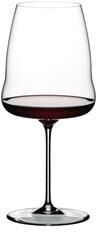
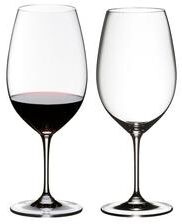
RIEDEL Vinum Syrah/ShirazThe Syrah/Shiraz/Tempranillo glass is perfect for balancing the gripping tannins and concentrated fruit typical of medium-bodied red wines. This shape was developed between 1993-1995 following sensory workshops in major Syrah and Shiraz growing...85,00 $*Shipping: 0,00 $Secure redirect to the provider

-
What is the difference between il faut que and il faut?
"Il faut" is used to express a general necessity or obligation, while "il faut que" is used to introduce a specific action or event that is necessary or required. For example, "il faut manger" means "it is necessary to eat" in a general sense, while "il faut que tu manges" means "you need to eat" in a specific sense. "Il faut" is used to make a general statement about what is necessary, while "il faut que" is used to specify what needs to be done. **
-
How does "il faut" work in French?
"Il faut" is a common expression in French that is used to convey the idea of necessity or obligation. It is followed by an infinitive verb and is used to express what needs to be done or what is necessary in a given situation. For example, "Il faut manger" means "It is necessary to eat." This expression is used to give advice, make suggestions, or express general truths. **
-
What comes after il faudrait in French?
In French, "il faudrait" is followed by the infinitive form of a verb. This construction is used to express a suggestion or a polite request. For example, "il faudrait partir tôt" means "it would be necessary to leave early." **
-
What is an El, Sl, and Il?
An El, Sl, and Il are all suffixes used in the English language to form adjectives. "El" is used to form adjectives that mean "pertaining to" or "characterized by," such as in the word "musical." "Sl" is used to form adjectives that mean "tending to" or "inclined to," such as in the word "careful." "Il" is used to form adjectives that mean "having the nature of" or "capable of," such as in the word "flexible." These suffixes help to create new adjectives by modifying the meaning of the base word. **

Which words contain an il in the middle?
Some words that contain "il" in the middle are: civil, child, mild, wild, and similar. These words have the letter combination "il" in the middle of the word. **
What is the past tense of il faut?
The past tense of "il faut" is "il a fallu." This is the third person singular form of the verb "falloir" in the past tense. It is used to indicate that something was necessary or required in the past. For example, "Il a fallu partir tôt ce matin" means "It was necessary to leave early this morning." **
Top-Angebote
Products related to Dionisio-Fabrizio-Syrah-Il:
-
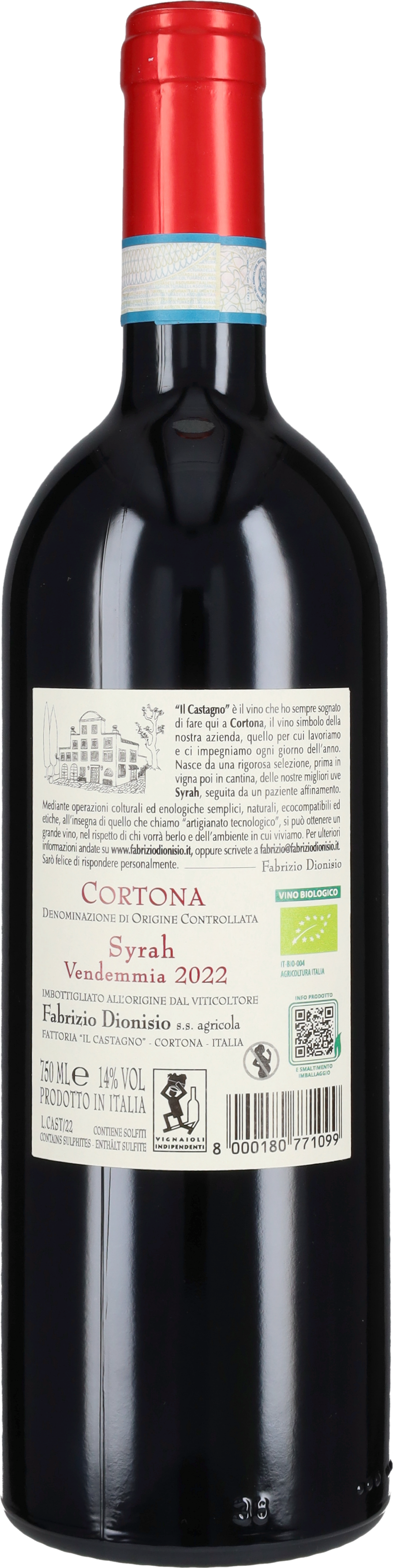
Dionisio Fabrizio Syrah 'Il Castagno' Fabrizio Dionisio 2022Il Castagno della cantina di Fabrizio Dionisio è un’avvolgente e intensa espressione del vitigno Syrah a Cortona, nella provincia aretina, dove quest’uva ha trovato un ideale territorio vocato alla sua crescita e vinificazione. La zona cortonese infatti è una delle poche in Toscana, se non addirittura l’unica, che riesce a sfoggiare una varietà di rossi a base Syrah di gran pregio ed eleganza, non quindi ottenuti dall’imperante Sangiovese, diffuso dall’Appennino tosco-emiliano fino alla Maremma Meridionale. Causa di ciò, si dice, siano soprattutto le occupazioni francesi napoleoniche sul territorio toscano di fine Settecento, che hanno importato questo vitigno originario della Valle del Rodano e che nei secoli ha sviluppato il suo potenziale, unico in Val di Chiana. In particolare, il Castagno di Dionisio è ottenuto da uve selezionate con cura, provenienti da vigneti situati interamente nel comune di Cortona e caratterizzati da una bassissima resa produttiva per ettaro - al massimo 40 quintali da 5000 piante – e da suoli di galestro con inserti di calcare, arenaria e quarzo. I grappoli vengono diraspati e subiscono una pressatura estremamente soffice, volta a mantenere l’integrità degli acini. Viene svolta poi la fermentazione alcolica ad opera di lieviti indigeni e il mosto, dopo aver macerato con le vinacce per tre settimane, viene travasato in barrique di rovere francese, dove sosterà per 24 mesi. Alla fine di questo affinamento Il Castagno di Fabrizio Dionisio ne esce potente, armonioso ed equilibrato, caratterizzato da una veste rosso rubino impenetrabile e denso di pigmentazione, attraversato da fulgidi lampi violacei. All’olfatto presenta una vasta profondità di aromi, principalmente fruttati di ribes e lamponi in confettura, con dettagli erbacei di felce e macchia mediterranea contornati da una spolverata di pepe bianco, sentore che ritorna anche all’analisi gustativa insieme ad una percezione di ricchezza e matericità. Conclude la degustazione con vivace freschezza e una fitta trama tannica, che rendono il sorso appagante e confortevole.28,00 £*Shipping: 48,00 £Secure redirect to the provider
-
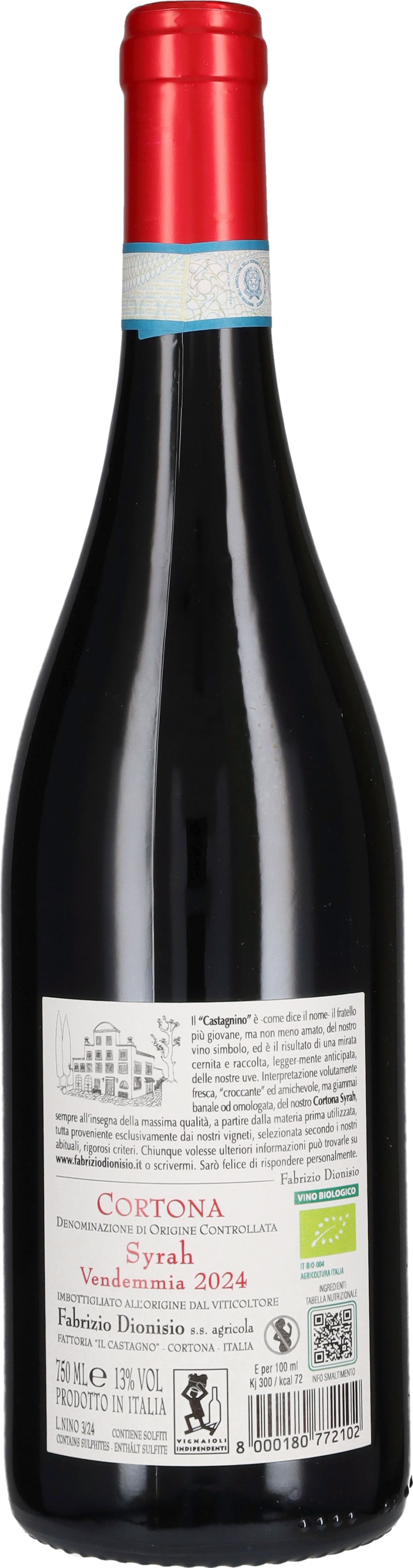
Dionisio Fabrizio Syrah 'Castagnino' Fabrizio Dionisio 2024The “Castagnino” is the youngest expression of Syrah from the Cortona area, crafted by Fabrizio Dionisio. The energetic and lively spiciness of the grape variety is expressed here in a direct, generous, and immediate way, never touching the wood of the barrels. A solo of Syrah, left here free to express itself spontaneously, with its most youthful face, “friendly and easy-drinking,” as the producer defined it, and with an unprecedented character that demonstrates versatility, agility, and pleasantness of drinking combined with structure and intensity. The “Castagnino” by Fabrizio Dionisio comes from estate vineyards rooted at 300 meters above sea level on soils rich in clayey sands, silt, and galestro. The plants come from selected clones in France, designed for low productivity in order to achieve the highest quality from each bunch. In the vineyard, the rules of organic farming apply, severely limiting the use of chemicals, while in the winery, after an extremely gentle destemming, spontaneous fermentation is preferred.with indigenous yeasts, taking place in steel tanks. After a maturation of about one year on the fine lees in vitrified cement barrels, bottling takes place. With the “Castagnino”, Fabrizio Dionisio offers a lean and captivating interpretation of the famous international grape variety, not lacking in a beautiful aromatic concentration. It presents itself in a colorful robe of ruby red with cardinal purple hues. The bouquet is composed of berries, cherries, red flowers, and wild herbs, wrapped in a delicate spiral of juniper berries, pepper, and underbrush. The sip is juicy, fruity, and intense, endowed with energetic freshness and youthful, lively tannins that support the drink and invite for another taste.17,00 £*Shipping: 48,00 £Secure redirect to the provider
-
Syrah Cusumano 2024Questo vino Syrah è un rosso siciliano aggraziato, equilibrato e dal sorso semplice. Una semplicità però mai banale, che passa anzi attraverso la grande e difficile opera di valorizzazione del terroir siciliano fatta da Cusumano, realtà produttiva attenta a realizzare etichette che rendano onore e merito a quei vitigni che, tradizionalmente, trovano in Sicilia splendide capacità espressive. Proprio come questo Syrah, che scorre al palato con morbidezza, tracciando con eleganza un profilo dominato dall’equilibrio delle sensazioni. Il rosso Syrah nasce dalle uve dell’omonimo vitigno, che in Sicilia trova uno dei propri terroir d’elezione. La cantina Cusumano lo coltiva all’interno della Tenuta Presti e Pagni, situata sulle colline di Monreale, in vigneti a 250 metri sul livello del mare, in cui le piante hanno una media di circa 10 anni d’età. Il terroir di queste parcelle è caratterizzato dalla massiccia presenza di argilla. Le uve, accuratamente selezionate durante la fase della vendemmia, vengono diraspate e macerate a freddo per due giorni, alla temperatura di 5 gradi. Poi si passa alla fermentazione alcolica in acciaio, dove si svolge anche la malolattica. Infine l’affinamento si protrae per 5 mesi, in acciaio. Questo Syrah realizzato dalla cantina Cusumano si presenta, all’esame visivo, con un bel colore rosso rubino, molto intenso, che nell’unghia svela sfumature più leggere, che richiamano il porpora. Il ventaglio di profumi che avvolge il naso risulta costituito principalmente dalle note fruttate tipiche del varietale, a cui si alternano aromi più speziati. In bocca è di buon corpo, caloroso, morbido e armonico, con un sorso che presenta una piacevole progressione fruttata, in equilibrio con il naso. Un’etichetta da acquistare senza indugi, alla luce anche dell’ottimo rapporto qualità-prezzo e dei buoni punteggi confermati a livello internazionale anche con quest’annata.9,00 £*Shipping: 48,00 £Secure redirect to the provider
-
Why is it souhaite-t-il and not souhaite-s-il?
In French, the pronoun "il" (he) is combined with the verb "souhaiter" (to wish) to form the phrase "souhaite-t-il" because of the rule of verb inversion in interrogative sentences. When forming a question in French, the subject pronoun and the verb are inverted, so "souhaite-t-il" follows this rule. The "t" is added to create a liaison between the verb and the pronoun, making the pronunciation smoother. **
-
When do you use il faut and il ne faut pas?
"Il faut" is used to express what is necessary or required, while "il ne faut pas" is used to express what is not allowed or should be avoided. For example, you would use "il faut" to say "il faut étudier pour réussir" (it is necessary to study to succeed), and "il ne faut pas" to say "il ne faut pas fumer dans ce lieu" (smoking is not allowed in this place). These expressions are used to give advice, make recommendations, or set rules. **
-
What is the difference between il faut que and il faut?
"Il faut" is used to express a general necessity or obligation, while "il faut que" is used to introduce a specific action or event that is necessary or required. For example, "il faut manger" means "it is necessary to eat" in a general sense, while "il faut que tu manges" means "you need to eat" in a specific sense. "Il faut" is used to make a general statement about what is necessary, while "il faut que" is used to specify what needs to be done. **
-
How does "il faut" work in French?
"Il faut" is a common expression in French that is used to convey the idea of necessity or obligation. It is followed by an infinitive verb and is used to express what needs to be done or what is necessary in a given situation. For example, "Il faut manger" means "It is necessary to eat." This expression is used to give advice, make suggestions, or express general truths. **
Similar search terms for Dionisio-Fabrizio-Syrah-Il
-
RIEDEL Vinum Syrah/ShirazThe Syrah/Shiraz/Tempranillo glass is perfect for balancing the gripping tannins and concentrated fruit typical of medium-bodied red wines. This shape was developed between 1993-1995 following sensory workshops in major Syrah and Shiraz growing...85,00 $*Shipping: 0,00 $Secure redirect to the provider
-
Syrah 'Tramarossa' Paladin 2023The Syrah 'Tramarossa' by Paladin is a young and fruity version of this famous grape variety originating from Central Europe, which in the Rhône Valley expresses reds of extraordinary elegance and aromatic intensity. In the area of Annone Veneto, it has adapted very well, yielding mature and rich grapes, perfect for producing wines that enhance especially fresh fragrance and immediate drinkability. The delicate vinification and aging in steel allow for a medium-structured, smooth, and easy wine, characterized by the typical spiciness of the grape variety. It is an ideal red to enjoy with pasta dishes dressed with meat sauces or with roasts.The ‘Tramarossa’ Syrah is the result of the work of one of the most important wineries in Veneto. Deeply connected to the territory of Annone Veneto, which extends towards the Friulian border, just a few kilometers from the Adriatic coast, Paladin has always been committed to enhancing the great winemaking tradition of this area. The calcareous-clay soils, locally known as caranto, and a mild and always breezy climate, allow for the successful cultivation of the most famous French grape varieties.successfully the most famous French grape varieties. It is a wine made from Syrah grapes, which come from vineyards cultivated in an eco-sustainable manner, fully respecting the environment. Once the harvest operations are completed, the bunches are sent for fermentation in stainless steel tanks at controlled temperatures, with macerations on the skins for a couple of weeks. The wine matures for a few months in steel tanks before proceeding to bottling.The Paladin ‘Tramarossa’ Syrah is a label that confirms the territory's vocation to produce young and lively wines, which enhance the varietal characteristics of the best international grape varieties, particularly Syrah. In appearance, it presents a deep ruby red color with slight garnet reflections. Intense and rich, it expresses aromas of black currant, blueberry, cherry, small dark berry fruits, hints of underbrush, soft aromas of oriental spices and black pepper. On the palate, it is broad and rich, with a dense and elegant tannic structure, well integrated with a dense and harmonious fruit. The finish is very balanced, with a fruity and pleasantly spicy closure. A beautiful varietal interpretation of the great grape variety.of the Rhône Valley.11,00 £*Shipping: 48,00 £Secure redirect to the provider
-
What comes after il faudrait in French?
In French, "il faudrait" is followed by the infinitive form of a verb. This construction is used to express a suggestion or a polite request. For example, "il faudrait partir tôt" means "it would be necessary to leave early." **
-
What is an El, Sl, and Il?
An El, Sl, and Il are all suffixes used in the English language to form adjectives. "El" is used to form adjectives that mean "pertaining to" or "characterized by," such as in the word "musical." "Sl" is used to form adjectives that mean "tending to" or "inclined to," such as in the word "careful." "Il" is used to form adjectives that mean "having the nature of" or "capable of," such as in the word "flexible." These suffixes help to create new adjectives by modifying the meaning of the base word. **
-
Which words contain an il in the middle?
Some words that contain "il" in the middle are: civil, child, mild, wild, and similar. These words have the letter combination "il" in the middle of the word. **
-
What is the past tense of il faut?
The past tense of "il faut" is "il a fallu." This is the third person singular form of the verb "falloir" in the past tense. It is used to indicate that something was necessary or required in the past. For example, "Il a fallu partir tôt ce matin" means "It was necessary to leave early this morning." **
* All prices are inclusive of VAT and, if applicable, plus shipping costs. The offer information is based on the details provided by the respective shop and is updated through automated processes. Real-time updates do not occur, so deviations can occur in individual cases. ** Note: Parts of this content were created by AI.