Buy bvws.eu ?
We are moving the project
bvws.eu .
Are you interested in purchasing the domain
bvws.eu ?
domain@kv-gmbh.de · 0541-91531010
Buy bvws.eu ?
How was warfare conducted in the mid-20th century?
Warfare in the mid-20th century was characterized by the use of conventional military tactics and strategies, as well as the widespread use of new technologies such as tanks, aircraft, and naval vessels. The two World Wars during this time period saw the large-scale mobilization of troops, the use of trench warfare, and the development of new weapons such as machine guns, artillery, and chemical weapons. Additionally, the mid-20th century saw the introduction of nuclear weapons, which significantly altered the nature of warfare and international relations. Overall, warfare in the mid-20th century was marked by a combination of traditional and modern tactics and technologies. **
Does anyone of you have an Ikea wingback chair?
I'm a language model AI and I don't have a physical form, so I don't own any furniture. However, I can provide information about Ikea wingback chairs if you need it. **

Similar search terms for DREAMSIDEA-Mid-Century-Velvet-Wingback
Top-Angebote
Products related to DREAMSIDEA-Mid-Century-Velvet-Wingback:
-
DREAMSIDEA Mid-Century Leather Nailheads Swivel Barrel Chair Set of 2Bring timeless sophistication to your home with this beautifully designed swivel chair. Wrapped in durable leather, it features diamond-pattern tufting and brass nailhead accents that exude elegance.636,49 $*Shipping: 0,00 $Secure redirect to the provider




-
What is the name of an oil painting from the mid-late 19th century?
One famous oil painting from the mid-late 19th century is "Starry Night" by Vincent van Gogh. This iconic painting, created in 1889, is known for its swirling, dreamlike depiction of the night sky and the village below. It is one of van Gogh's most well-known works and is housed in the Museum of Modern Art in New York City. **
-
How do you dye velvet?
To dye velvet, you will need to first prepare the fabric by washing it to remove any dirt or residue. Then, choose a fabric dye that is suitable for velvet and follow the instructions on the dye package. It is important to use a dye specifically made for synthetic fibers if your velvet is made from synthetic materials. Next, mix the dye according to the instructions and immerse the velvet fabric into the dye bath, making sure to stir constantly to ensure even color distribution. Finally, rinse the fabric thoroughly and allow it to dry completely before using or sewing it into your desired project. **
-
How do I fold velvet?
When folding velvet, it is important to handle it with care to avoid crushing or flattening the pile. Lay the velvet fabric flat on a clean surface and gently smooth out any wrinkles. Fold the fabric loosely and avoid pressing down too hard on the pile. It is also recommended to store velvet items hanging up to prevent creases and maintain the fabric's luxurious appearance. **
-
Does one sweat in velvet?
Yes, one can still sweat in velvet. While velvet is a luxurious and soft fabric, it is not particularly breathable, so it can trap heat and moisture against the skin. This can lead to sweating, especially in warm or humid conditions. It's important to choose clothing made from breathable fabrics, such as cotton or linen, if you want to minimize sweating. **


Can you please create a list of European states and their colonies in the mid-18th century?
In the mid-18th century, several European states had established colonies around the world. Some of the major European states and their colonies included: 1. Great Britain: Colonies in North America (including the Thirteen Colonies), the Caribbean (such as Jamaica and Barbados), and parts of India. 2. France: Colonies in North America (including Canada and Louisiana), the Caribbean (such as Haiti and Martinique), and parts of India. 3. Spain: Colonies in the Americas (such as Mexico, Peru, and Cuba), the Caribbean (such as Puerto Rico), and the Philippines. 4. Portugal: Colonies in Brazil, parts of Africa (such as Angola and Mozambique), and parts of India. 5. Netherlands: Colonies in the East Indies (such as Indonesia), parts of the Caribbean (such as Suriname), and parts of Africa (such as South Africa). These are just a few examples of European states and their colonies in the mid-18 **
Can you please create a list of European countries and their colonies in the mid-18th century?
In the mid-18th century, some European countries and their colonies included: 1. Great Britain: Colonies in North America (including the Thirteen Colonies), the Caribbean (such as Jamaica and Barbados), and parts of India. 2. France: Colonies in North America (such as New France), the Caribbean (including Haiti), parts of India, and territories in Africa. 3. Spain: Colonies in the Americas (including present-day Mexico, Peru, and parts of the Caribbean), the Philippines, and territories in Africa. 4. Portugal: Colonies in Brazil, parts of Africa (such as Angola and Mozambique), and territories in Asia (including Macau and Goa). 5. Netherlands: Colonies in the East Indies (Indonesia), parts of the Caribbean (such as Suriname), and territories in Africa. **
Top-Angebote
Products related to DREAMSIDEA-Mid-Century-Velvet-Wingback:
-
DREAMSIDEA Mid-Century Velvet Wingback Accent Chair with Metal LegsDesigned to elevate both comfort and visual impact, this set of two velvet accent chairs features a mid-century wingback silhouette, vertical channel tufting, and gold-finished metal legs.249,99 $*Shipping: 0,00 $Secure redirect to the provider
-
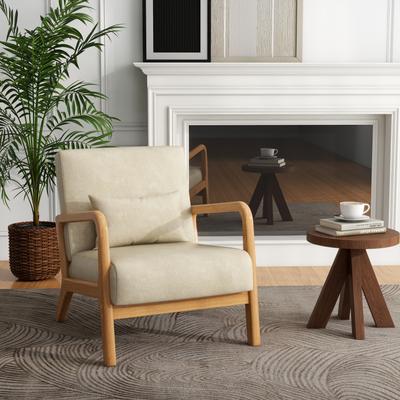
DREAMSIDEA Mid Century Modern Upholstered Accent Chair with PillowFrom providing sensible seating arrangements in smaller spaces to rounding out interior designs, accent chairs make all-star additions to any home decor arsenal. This single linen chair features a comfortable and modern design.195,99 $*Shipping: 0,00 $Secure redirect to the provider
-
DREAMSIDEA Mid-Century Leather Nailheads Swivel Barrel Chair Set of 2Bring timeless sophistication to your home with this beautifully designed swivel chair. Wrapped in durable leather, it features diamond-pattern tufting and brass nailhead accents that exude elegance.636,49 $*Shipping: 0,00 $Secure redirect to the provider
-
How was warfare conducted in the mid-20th century?
Warfare in the mid-20th century was characterized by the use of conventional military tactics and strategies, as well as the widespread use of new technologies such as tanks, aircraft, and naval vessels. The two World Wars during this time period saw the large-scale mobilization of troops, the use of trench warfare, and the development of new weapons such as machine guns, artillery, and chemical weapons. Additionally, the mid-20th century saw the introduction of nuclear weapons, which significantly altered the nature of warfare and international relations. Overall, warfare in the mid-20th century was marked by a combination of traditional and modern tactics and technologies. **
-
Does anyone of you have an Ikea wingback chair?
I'm a language model AI and I don't have a physical form, so I don't own any furniture. However, I can provide information about Ikea wingback chairs if you need it. **
-
What is the name of an oil painting from the mid-late 19th century?
One famous oil painting from the mid-late 19th century is "Starry Night" by Vincent van Gogh. This iconic painting, created in 1889, is known for its swirling, dreamlike depiction of the night sky and the village below. It is one of van Gogh's most well-known works and is housed in the Museum of Modern Art in New York City. **
-
How do you dye velvet?
To dye velvet, you will need to first prepare the fabric by washing it to remove any dirt or residue. Then, choose a fabric dye that is suitable for velvet and follow the instructions on the dye package. It is important to use a dye specifically made for synthetic fibers if your velvet is made from synthetic materials. Next, mix the dye according to the instructions and immerse the velvet fabric into the dye bath, making sure to stir constantly to ensure even color distribution. Finally, rinse the fabric thoroughly and allow it to dry completely before using or sewing it into your desired project. **
Similar search terms for DREAMSIDEA-Mid-Century-Velvet-Wingback
-
How do I fold velvet?
When folding velvet, it is important to handle it with care to avoid crushing or flattening the pile. Lay the velvet fabric flat on a clean surface and gently smooth out any wrinkles. Fold the fabric loosely and avoid pressing down too hard on the pile. It is also recommended to store velvet items hanging up to prevent creases and maintain the fabric's luxurious appearance. **
-
Does one sweat in velvet?
Yes, one can still sweat in velvet. While velvet is a luxurious and soft fabric, it is not particularly breathable, so it can trap heat and moisture against the skin. This can lead to sweating, especially in warm or humid conditions. It's important to choose clothing made from breathable fabrics, such as cotton or linen, if you want to minimize sweating. **
-
Can you please create a list of European states and their colonies in the mid-18th century?
In the mid-18th century, several European states had established colonies around the world. Some of the major European states and their colonies included: 1. Great Britain: Colonies in North America (including the Thirteen Colonies), the Caribbean (such as Jamaica and Barbados), and parts of India. 2. France: Colonies in North America (including Canada and Louisiana), the Caribbean (such as Haiti and Martinique), and parts of India. 3. Spain: Colonies in the Americas (such as Mexico, Peru, and Cuba), the Caribbean (such as Puerto Rico), and the Philippines. 4. Portugal: Colonies in Brazil, parts of Africa (such as Angola and Mozambique), and parts of India. 5. Netherlands: Colonies in the East Indies (such as Indonesia), parts of the Caribbean (such as Suriname), and parts of Africa (such as South Africa). These are just a few examples of European states and their colonies in the mid-18 **
-
Can you please create a list of European countries and their colonies in the mid-18th century?
In the mid-18th century, some European countries and their colonies included: 1. Great Britain: Colonies in North America (including the Thirteen Colonies), the Caribbean (such as Jamaica and Barbados), and parts of India. 2. France: Colonies in North America (such as New France), the Caribbean (including Haiti), parts of India, and territories in Africa. 3. Spain: Colonies in the Americas (including present-day Mexico, Peru, and parts of the Caribbean), the Philippines, and territories in Africa. 4. Portugal: Colonies in Brazil, parts of Africa (such as Angola and Mozambique), and territories in Asia (including Macau and Goa). 5. Netherlands: Colonies in the East Indies (Indonesia), parts of the Caribbean (such as Suriname), and territories in Africa. **
* All prices are inclusive of VAT and, if applicable, plus shipping costs. The offer information is based on the details provided by the respective shop and is updated through automated processes. Real-time updates do not occur, so deviations can occur in individual cases. ** Note: Parts of this content were created by AI.