Buy bvws.eu ?
We are moving the project
bvws.eu .
Are you interested in purchasing the domain
bvws.eu ?
domain@kv-gmbh.de · 0541-91531010
Buy bvws.eu ?
What types of symmetry are there: point symmetry, axis symmetry, or no symmetry?
There are three types of symmetry: point symmetry, axis symmetry, and no symmetry. Point symmetry occurs when an object can be rotated 180 degrees around a central point and still look the same. Axis symmetry, also known as reflection symmetry, occurs when an object can be reflected across a line and still look the same. No symmetry means that the object does not have any regular repeating pattern or axis of reflection. **
What is the difference between axis symmetry, axis of symmetry, rotational symmetry, and point symmetry?
Axis symmetry refers to the property of a shape being symmetrical with respect to an axis, meaning that if the shape is folded along the axis, the two halves will coincide. The axis of symmetry is the line along which the shape is symmetrical. Rotational symmetry refers to the property of a shape being able to be rotated by a certain angle and still look the same. Point symmetry refers to the property of a shape being symmetrical with respect to a central point, meaning that if the shape is rotated 180 degrees around the point, it will look the same. **


Similar search terms for Nourison-Symmetry-Silver-Area
Top-Angebote
Products related to Nourison-Symmetry-Silver-Area:
-
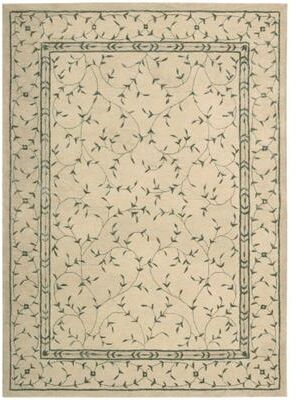
Nourison Modern Elegance Area RugAdd an element of timeless elegance to your home with this fabulous selection of luxurious floral designs. Faux-silk accents highlight the beautiful flowing patterns and bring an element of sophistication and texture to any decor.359,00 $*Shipping: 0,00 $Secure redirect to the provider
-
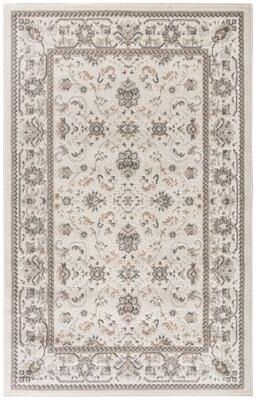
Nourison Serenity Home Indoor Persian Area RugGround your space in classic style with this traditional grey rug from the Serenity Home Collection. The ornate floral pattern, framed by a matching border, is at home in contemporary and country settings alike.55,88 $*Shipping: 0,00 $Secure redirect to the provider
-
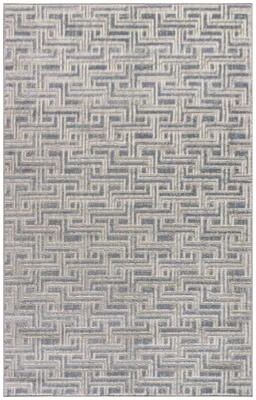
Nourison Serenity Home Indoor Geometric Area RugAdd a pop of stunning pattern to your decor with this abstract geometric taupe rug from the Serenity Home Collection. The overlapping linear pattern, enhanced with subtle high-low accents, adds a unique layer of dimension designed to spark...55,99 $*Shipping: 0,00 $Secure redirect to the provider
-
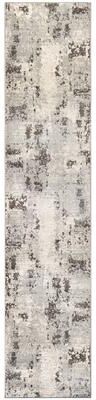
Nourison Serenity Home Indoor Abstract Area RugElegant and functional, this abstract ivory and grey rug from the Serenity Home Collection adds warmth while tying your room furnishings together. Splashes of neutral color are enhanced with a subtle high-low textural variation that adds depth.45,59 $*Shipping: 0,00 $Secure redirect to the provider
-
What is the difference between point symmetry and rotational symmetry?
Point symmetry occurs when a figure looks the same after being rotated 180 degrees around a central point, while rotational symmetry occurs when a figure looks the same after being rotated a certain angle around a central point. In other words, point symmetry requires a 180-degree rotation to look the same, while rotational symmetry can occur with rotations of different angles. Additionally, point symmetry is a specific type of rotational symmetry, as it is a rotation of 180 degrees. **
-
What is the difference between axis symmetry and point symmetry?
Axis symmetry refers to a shape or object being symmetrical with respect to an axis, meaning that if you were to fold the shape along the axis, the two halves would perfectly overlap. Point symmetry, on the other hand, refers to a shape or object being symmetrical with respect to a single point, meaning that if you were to rotate the shape 180 degrees around that point, it would look the same. In essence, axis symmetry involves reflection across a line, while point symmetry involves rotation around a point. **
-
What are the similarities between axial symmetry and point symmetry?
Both axial symmetry and point symmetry involve the concept of symmetry in geometric shapes. In axial symmetry, an object is symmetrical if it can be divided into two equal halves by a line of symmetry. Similarly, in point symmetry, an object is symmetrical if it looks the same after being rotated 180 degrees around a central point. Both types of symmetry result in balanced and visually appealing shapes. **
-
What are symmetry functions?
Symmetry functions are mathematical functions used to describe the local environment of atoms in a material. They are often used in machine learning models to represent the atomic structure and interactions within a material. Symmetry functions capture the spatial arrangement of neighboring atoms around a central atom and can be used to predict material properties such as stability, reactivity, and mechanical behavior. These functions are particularly useful for understanding and predicting the behavior of complex materials with diverse atomic arrangements. **
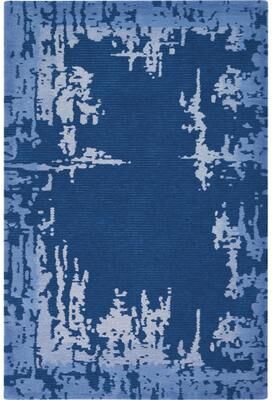

Point or axis symmetry?
Point symmetry occurs when a figure can be rotated 180 degrees around a central point and still look the same. Axis symmetry, on the other hand, occurs when a figure can be reflected across a line and still look the same. Point symmetry is less common in geometric figures compared to axis symmetry. **
What is rotational symmetry?
Rotational symmetry is a type of symmetry where a shape or object can be rotated by a certain angle and still look the same. In other words, if you can rotate a shape less than 360 degrees and it appears unchanged, then it has rotational symmetry. The number of times a shape can be rotated and still look the same is called its order of rotational symmetry. Shapes like circles have infinite rotational symmetry, as they look the same no matter how many times they are rotated. **
Top-Angebote
Products related to Nourison-Symmetry-Silver-Area:
-
Nourison Tranquil Floral Leaves Area RugNourisons Tranquil Collection brings together a palette of soothing and elegant colors into an assortment of contemporary and traditional patterns, ranging from contemporary florals to intricate Persian and Kashan bordered medallion rugs.75,99 $*Shipping: 0,00 $Secure redirect to the provider
-
Nourison Modern Elegance Area RugAdd an element of timeless elegance to your home with this fabulous selection of luxurious floral designs. Faux-silk accents highlight the beautiful flowing patterns and bring an element of sophistication and texture to any decor.359,00 $*Shipping: 0,00 $Secure redirect to the provider
-
Nourison Serenity Home Indoor Persian Area RugGround your space in classic style with this traditional grey rug from the Serenity Home Collection. The ornate floral pattern, framed by a matching border, is at home in contemporary and country settings alike.55,88 $*Shipping: 0,00 $Secure redirect to the provider
-
What types of symmetry are there: point symmetry, axis symmetry, or no symmetry?
There are three types of symmetry: point symmetry, axis symmetry, and no symmetry. Point symmetry occurs when an object can be rotated 180 degrees around a central point and still look the same. Axis symmetry, also known as reflection symmetry, occurs when an object can be reflected across a line and still look the same. No symmetry means that the object does not have any regular repeating pattern or axis of reflection. **
-
What is the difference between axis symmetry, axis of symmetry, rotational symmetry, and point symmetry?
Axis symmetry refers to the property of a shape being symmetrical with respect to an axis, meaning that if the shape is folded along the axis, the two halves will coincide. The axis of symmetry is the line along which the shape is symmetrical. Rotational symmetry refers to the property of a shape being able to be rotated by a certain angle and still look the same. Point symmetry refers to the property of a shape being symmetrical with respect to a central point, meaning that if the shape is rotated 180 degrees around the point, it will look the same. **
-
What is the difference between point symmetry and rotational symmetry?
Point symmetry occurs when a figure looks the same after being rotated 180 degrees around a central point, while rotational symmetry occurs when a figure looks the same after being rotated a certain angle around a central point. In other words, point symmetry requires a 180-degree rotation to look the same, while rotational symmetry can occur with rotations of different angles. Additionally, point symmetry is a specific type of rotational symmetry, as it is a rotation of 180 degrees. **
-
What is the difference between axis symmetry and point symmetry?
Axis symmetry refers to a shape or object being symmetrical with respect to an axis, meaning that if you were to fold the shape along the axis, the two halves would perfectly overlap. Point symmetry, on the other hand, refers to a shape or object being symmetrical with respect to a single point, meaning that if you were to rotate the shape 180 degrees around that point, it would look the same. In essence, axis symmetry involves reflection across a line, while point symmetry involves rotation around a point. **
Similar search terms for Nourison-Symmetry-Silver-Area
-
Nourison Serenity Home Indoor Geometric Area RugAdd a pop of stunning pattern to your decor with this abstract geometric taupe rug from the Serenity Home Collection. The overlapping linear pattern, enhanced with subtle high-low accents, adds a unique layer of dimension designed to spark...55,99 $*Shipping: 0,00 $Secure redirect to the provider
-
Nourison Serenity Home Indoor Abstract Area RugElegant and functional, this abstract ivory and grey rug from the Serenity Home Collection adds warmth while tying your room furnishings together. Splashes of neutral color are enhanced with a subtle high-low textural variation that adds depth.45,59 $*Shipping: 0,00 $Secure redirect to the provider
-
Nourison Tranquil Floral Leaves Area RugNourisons Tranquil Collection brings together a palette of soothing and elegant colors into an assortment of contemporary and traditional patterns, ranging from contemporary florals to intricate Persian and Kashan bordered medallion rugs.198,35 $*Shipping: 0,00 $Secure redirect to the provider
-
What are the similarities between axial symmetry and point symmetry?
Both axial symmetry and point symmetry involve the concept of symmetry in geometric shapes. In axial symmetry, an object is symmetrical if it can be divided into two equal halves by a line of symmetry. Similarly, in point symmetry, an object is symmetrical if it looks the same after being rotated 180 degrees around a central point. Both types of symmetry result in balanced and visually appealing shapes. **
-
What are symmetry functions?
Symmetry functions are mathematical functions used to describe the local environment of atoms in a material. They are often used in machine learning models to represent the atomic structure and interactions within a material. Symmetry functions capture the spatial arrangement of neighboring atoms around a central atom and can be used to predict material properties such as stability, reactivity, and mechanical behavior. These functions are particularly useful for understanding and predicting the behavior of complex materials with diverse atomic arrangements. **
-
Point or axis symmetry?
Point symmetry occurs when a figure can be rotated 180 degrees around a central point and still look the same. Axis symmetry, on the other hand, occurs when a figure can be reflected across a line and still look the same. Point symmetry is less common in geometric figures compared to axis symmetry. **
-
What is rotational symmetry?
Rotational symmetry is a type of symmetry where a shape or object can be rotated by a certain angle and still look the same. In other words, if you can rotate a shape less than 360 degrees and it appears unchanged, then it has rotational symmetry. The number of times a shape can be rotated and still look the same is called its order of rotational symmetry. Shapes like circles have infinite rotational symmetry, as they look the same no matter how many times they are rotated. **
* All prices are inclusive of VAT and, if applicable, plus shipping costs. The offer information is based on the details provided by the respective shop and is updated through automated processes. Real-time updates do not occur, so deviations can occur in individual cases. ** Note: Parts of this content were created by AI.