Buy bvws.eu ?
We are moving the project
bvws.eu .
Are you interested in purchasing the domain
bvws.eu ?
domain@kv-gmbh.de · 0541-91531010
Buy bvws.eu ?
Where is a manga store located in HST?
A manga store is located in the HST building on the second floor. It is situated near the food court area, making it easily accessible for students and visitors to browse and purchase manga. The store offers a wide selection of manga titles for enthusiasts to explore and enjoy. **
What are the expenses for RST, HST, and BST?
The expenses for RST (Retail Sales Tax), HST (Harmonized Sales Tax), and BST (Business Sales Tax) vary depending on the specific jurisdiction and the nature of the business. RST is a tax imposed on the retail sale of goods and services in certain provinces in Canada, while HST is a combined federal and provincial tax in some provinces. BST is a tax on the sale of goods and services by businesses in certain provinces. The expenses for these taxes include the amount owed based on the sales made by the business, as well as any administrative costs associated with filing and remitting the taxes to the appropriate government authorities. **


Similar search terms for HST-HST-271-Retaining
Top-Angebote
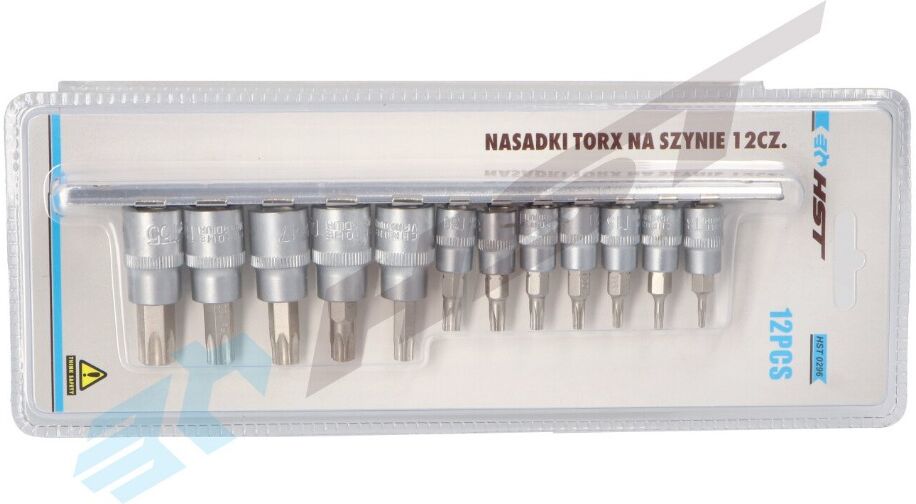
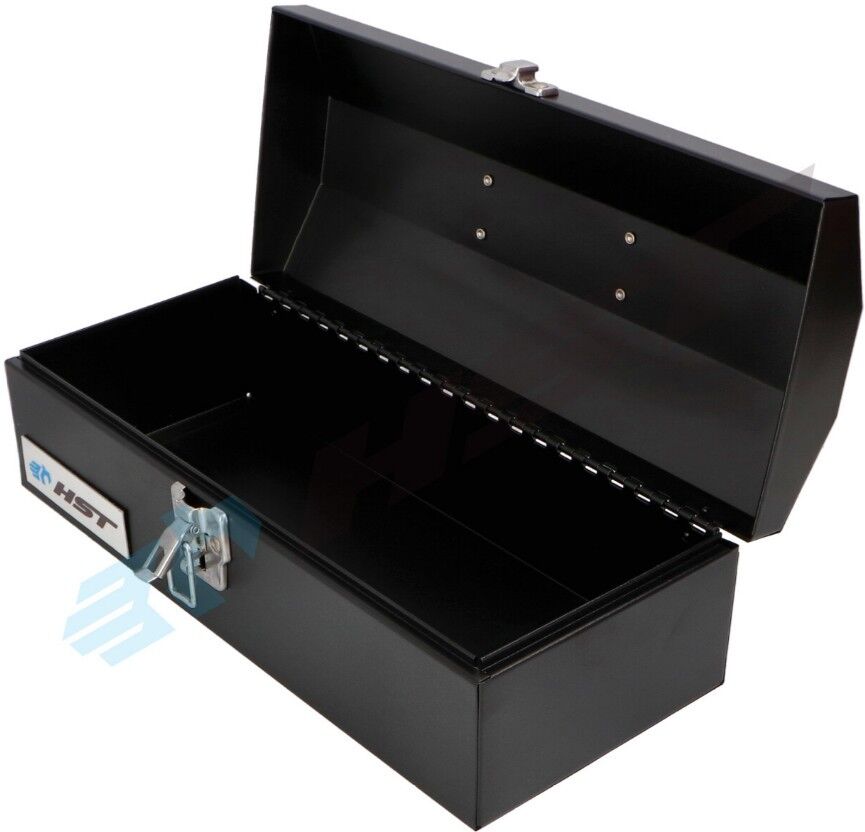
Products related to HST-HST-271-Retaining:


-
What are heat-retaining materials?
Heat-retaining materials are substances that have the ability to trap and hold heat for an extended period of time. These materials are often used in insulation to prevent heat loss in buildings or to keep objects warm. Common examples of heat-retaining materials include wool, fiberglass, and certain types of foam. By using these materials, energy consumption for heating can be reduced, making them environmentally friendly options. **
-
How can a retaining wall be renovated?
A retaining wall can be renovated by first assessing the extent of the damage and identifying the cause of the deterioration. Once the underlying issues are addressed, the wall can be repaired by replacing damaged or deteriorated materials, reinforcing the structure with additional support, and improving drainage to prevent future damage. It is important to consult with a professional engineer or contractor to ensure that the renovation is done properly and meets safety standards. **
-
How much does a retaining wall cost?
The cost of a retaining wall can vary depending on factors such as the materials used, the size of the wall, and the complexity of the design. On average, homeowners can expect to pay between $3,000 to $10,000 for a retaining wall. However, for larger or more intricate walls, the cost can exceed $15,000. It is recommended to get quotes from multiple contractors to get a better idea of the specific cost for your project. **
-
Who bears the costs for a retaining wall?
The costs for a retaining wall are typically borne by the property owner. This includes the design, materials, labor, and any necessary permits. In some cases, neighboring property owners may share the costs if the retaining wall benefits both properties. It is important to consult with a professional to determine the best course of action and cost-sharing arrangements for a retaining wall project. **


What are retaining tabs on a Bosch washing machine?
Retaining tabs on a Bosch washing machine are small plastic pieces that help secure the control panel in place. They are typically located on the sides of the control panel and are designed to prevent the panel from shifting or coming loose during operation. These tabs play a crucial role in ensuring that the control panel remains securely attached to the washing machine, providing stability and support for the various buttons and settings on the panel. **
How can a retaining wall be constructed on a property?
A retaining wall can be constructed on a property by following these general steps: 1. Planning and design: Determine the purpose of the wall, the type of materials to be used, and the dimensions of the wall. 2. Excavation: Dig a trench for the foundation of the wall, ensuring it is level and properly compacted. 3. Foundation: Pour a concrete footing in the trench to provide a stable base for the wall. 4. Construction: Stack the chosen materials (such as concrete blocks, bricks, or natural stone) on top of the footing, ensuring proper drainage and backfilling behind the wall to provide support. 5. Finishing touches: Add any necessary drainage features, such as weep holes or gravel backfill, and cap the top of the wall for a finished look. **
Top-Angebote
Products related to HST-HST-271-Retaining:
-
Where is a manga store located in HST?
A manga store is located in the HST building on the second floor. It is situated near the food court area, making it easily accessible for students and visitors to browse and purchase manga. The store offers a wide selection of manga titles for enthusiasts to explore and enjoy. **
-
What are the expenses for RST, HST, and BST?
The expenses for RST (Retail Sales Tax), HST (Harmonized Sales Tax), and BST (Business Sales Tax) vary depending on the specific jurisdiction and the nature of the business. RST is a tax imposed on the retail sale of goods and services in certain provinces in Canada, while HST is a combined federal and provincial tax in some provinces. BST is a tax on the sale of goods and services by businesses in certain provinces. The expenses for these taxes include the amount owed based on the sales made by the business, as well as any administrative costs associated with filing and remitting the taxes to the appropriate government authorities. **
-
What are heat-retaining materials?
Heat-retaining materials are substances that have the ability to trap and hold heat for an extended period of time. These materials are often used in insulation to prevent heat loss in buildings or to keep objects warm. Common examples of heat-retaining materials include wool, fiberglass, and certain types of foam. By using these materials, energy consumption for heating can be reduced, making them environmentally friendly options. **
-
How can a retaining wall be renovated?
A retaining wall can be renovated by first assessing the extent of the damage and identifying the cause of the deterioration. Once the underlying issues are addressed, the wall can be repaired by replacing damaged or deteriorated materials, reinforcing the structure with additional support, and improving drainage to prevent future damage. It is important to consult with a professional engineer or contractor to ensure that the renovation is done properly and meets safety standards. **
Similar search terms for HST-HST-271-Retaining
-
How much does a retaining wall cost?
The cost of a retaining wall can vary depending on factors such as the materials used, the size of the wall, and the complexity of the design. On average, homeowners can expect to pay between $3,000 to $10,000 for a retaining wall. However, for larger or more intricate walls, the cost can exceed $15,000. It is recommended to get quotes from multiple contractors to get a better idea of the specific cost for your project. **
-
Who bears the costs for a retaining wall?
The costs for a retaining wall are typically borne by the property owner. This includes the design, materials, labor, and any necessary permits. In some cases, neighboring property owners may share the costs if the retaining wall benefits both properties. It is important to consult with a professional to determine the best course of action and cost-sharing arrangements for a retaining wall project. **
-
What are retaining tabs on a Bosch washing machine?
Retaining tabs on a Bosch washing machine are small plastic pieces that help secure the control panel in place. They are typically located on the sides of the control panel and are designed to prevent the panel from shifting or coming loose during operation. These tabs play a crucial role in ensuring that the control panel remains securely attached to the washing machine, providing stability and support for the various buttons and settings on the panel. **
-
How can a retaining wall be constructed on a property?
A retaining wall can be constructed on a property by following these general steps: 1. Planning and design: Determine the purpose of the wall, the type of materials to be used, and the dimensions of the wall. 2. Excavation: Dig a trench for the foundation of the wall, ensuring it is level and properly compacted. 3. Foundation: Pour a concrete footing in the trench to provide a stable base for the wall. 4. Construction: Stack the chosen materials (such as concrete blocks, bricks, or natural stone) on top of the footing, ensuring proper drainage and backfilling behind the wall to provide support. 5. Finishing touches: Add any necessary drainage features, such as weep holes or gravel backfill, and cap the top of the wall for a finished look. **
* All prices are inclusive of VAT and, if applicable, plus shipping costs. The offer information is based on the details provided by the respective shop and is updated through automated processes. Real-time updates do not occur, so deviations can occur in individual cases. ** Note: Parts of this content were created by AI.